Boynton Beach, FL
Live Local Act Exemption Help for Boynton Beach Rental Properties
We prepare Live Local Act exemption applications, FHFC certification requests, county DR-504AFH filings and annual recertifications for multifamily owners in Boynton Beach, Delray Beach and Lantana. The same small team handles your file from the first rent roll review to the filing receipt, so you never have to explain your property twice.
- Filings prepared for about 100 Florida properties
- Same people, start to finish
- Work by phone and video
- Written estimate before we start
What We File and Track for You
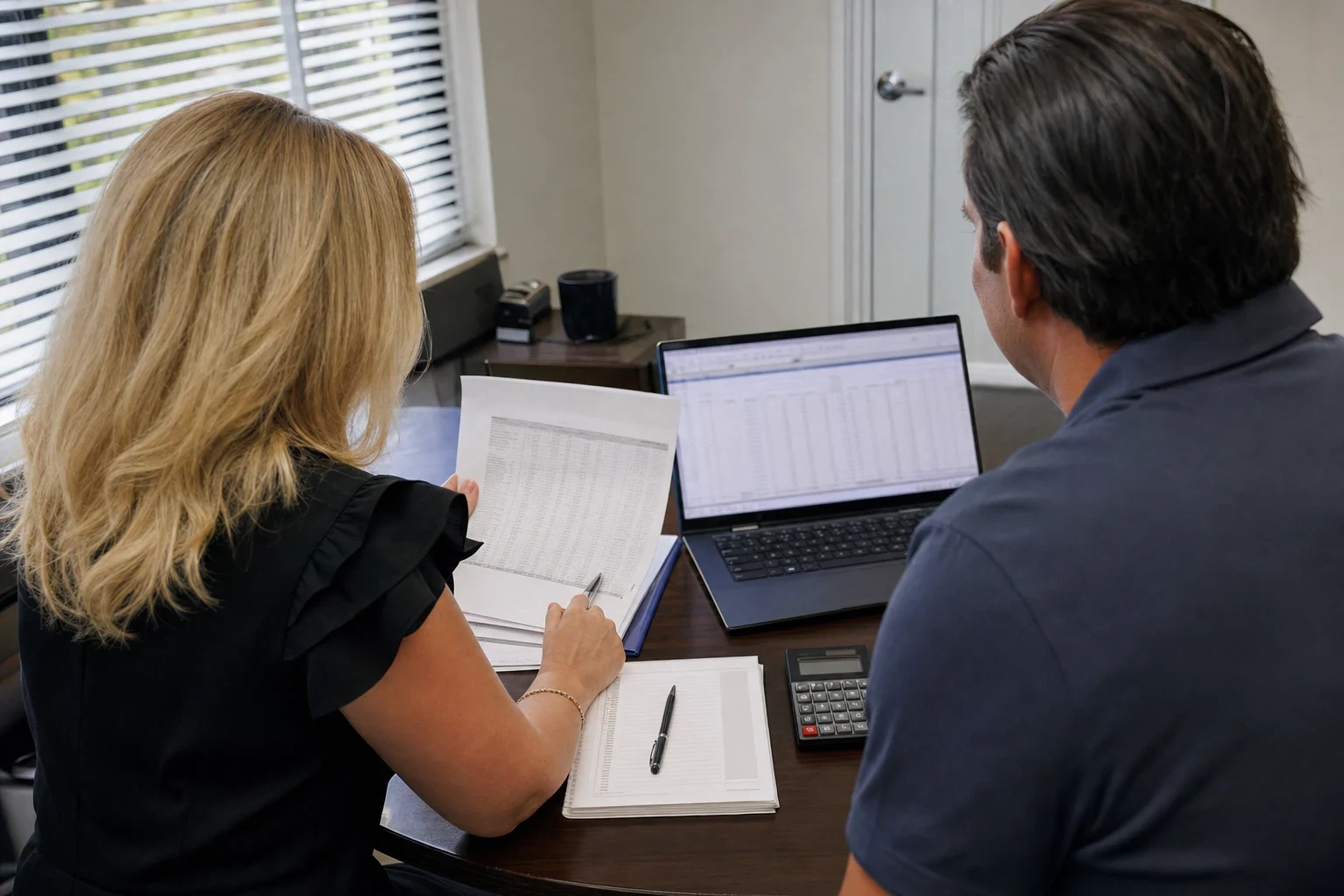
Filings prepared for about 100 Florida properties have taught us where these applications usually stall. Most of the time it is a rent roll that does not match the income tier, or a deadline nobody put on the calendar. We cover the whole path: Live Local Act exemption applications, FHFC certification filing, county DR-504AFH filing, annual recertification, resident income verification and ongoing compliance support. You can hire us for one piece or the full year.
Exemption Applications
We check whether your multifamily property qualifies, estimate the tax savings, and prepare the state and county filings for the Live Local Act exemption.

FHFC Certification Filing
We build your Florida Housing certification request, answer its follow-up questions, and hand you the certificate the county needs for your exemption.
County DR-504AFH Filing
We prepare and file your DR-504AFH with the property appraiser, with your FHFC certification and unit records attached and checked.
Annual Recertification
We renew your Live Local Act exemption each year, from the FHFC certification to the county form, so the tax savings carry into the next year.
Resident Income Verification
We collect and check resident income records unit by unit, so every unit you claim under the Live Local Act has proof behind it.
Ongoing Compliance Support
We track rent limits, set-aside units, resident files and filing dates all year, so your Live Local exemption is ready to renew when March comes around.
What Moves the Cost of a Filing
Every property is a little different, so we price the work after we see it. Most of the effort goes into the records, not the forms. Here is what changes the size of the job.
After a short call and a look at your rent roll, we give you a written estimate that lists each piece of work. Nothing starts until you agree to it.
- Number of units
- A larger building means more units to check against the limits and more resident files to review.
- Mix of income tiers
- The law treats the most affordable units, those rented to residents earning 80 percent of the area median or less, differently from units that reach as high as 120 percent. A building with both kinds takes more sorting to get right.
- State of your records
- Clean, current rent rolls and income documents move fast. Missing certifications or old lease data mean more time spent pulling things together with your manager.
- Certification already in place
- If you already hold FHFC certification, we may only need the county filing. Starting from scratch adds a step.
- Timing
- A file that starts in the fall has room to breathe. One that starts in late February has to move quickly, and that shapes the work plan.
- More than one property
- Owners with several parcels often have shared records, which can make each added property simpler.
Why Owners Work With a Small Team
Big firms pass a file between intake, analysts and filers. We don't. The people who look at your rent roll on day one are the people who sign off on the filing.
- One contact for the whole job
- You get one person who knows your property, your unit counts and your history. When the county or FHFC asks a question, that person already has the answer.
- We read the rent roll line by line
- The exemption turns on which units sit at or below the income and rent limits. We check each unit against the current year's limits before anything is filed, and we flag the units that don't fit.
- Straight answers on eligibility
- If your property doesn't qualify, or only qualifies for part of the exemption, we tell you on the first call. We would rather lose the job than file something that won't hold up.
- Deadlines kept on our calendar
- Exemption filings in Florida run on a March 1 clock. We work backward from that date so FHFC certification is in hand before the county filing goes in.
- Files you can keep
- At the end you get copies of everything we filed and the worksheets behind it. Next year's recertification starts from a clean record instead of a scramble.

About Our Team
We are a small Boynton Beach team that does one kind of work: helping owners of rental buildings claim and keep the Live Local Act property tax exemption. We are not a big firm with a call center. When you call, you reach the people doing the filing.
We keep our client list short on purpose. That lets the same person stay on your property every year, learn how your manager keeps records and catch a problem before it becomes a denial.
- Certifications
- Filings prepared for about 100 Florida properties
Where We Work
We serve multifamily owners in Boynton Beach and nearby, including Delray Beach, Lantana, Hypoluxo, Greenacres, Lake Worth Beach, Palm Springs and Boca Raton. We also work with properties in Highland Beach, Lake Clarke Shores and San Castle. Since the work happens at our office and by phone and video, distance doesn't slow anything down.
- Boynton Beach
- Delray Beach
- Lantana
- San Castle
- Hypoluxo
- Greenacres
- Lake Worth Beach
- Palm Springs
- Highland Beach
- Lake Clarke Shores
- Boca Raton
If your property is elsewhere in Florida, call anyway and we'll tell you whether we can take it on.
Questions Owners Ask
- Will my building qualify?
- That depends on how many units you have and how many sit at or below your area's income and rent limits. A free eligibility check by phone settles it. If you have a recent rent roll handy, we can usually give you an answer during that first call.
- What might the exemption save?
- Units at or below 80 percent of area median income can earn a larger exemption than units from 80 to 120 percent. Your real number depends on assessed value and unit mix. We work it out in a free savings estimate before you sign on.
- When is everything due?
- The county filing is generally due by March 1 for the tax year, and FHFC certification must be finished first. Starting in the fall gives everyone room. If March is close, call and we'll tell you honestly what can still be done.
- Do I only file once?
- No. An approval covers one tax year. Each year the qualifying units are rechecked against the new limits and the filings go in again. Our annual recertification service takes care of that yearly round.
- Who will handle my file?
- The same small team from start to finish. The person who reads your rent roll also fields the county's questions and sets up next year's renewal.
- What will you need from me or my manager?
- An up-to-date rent roll, the lease rent on each unit and income records for residents in the units you plan to claim. If your records are thin, we'll list exactly what to collect, and our resident income verification service can fill the gaps.
- Will you work with FHFC and the property appraiser for me?
- Yes. We prepare the filings, file them on your behalf and handle the paperwork questions that come back. You stay the owner of record and sign where required. We call you at each step, and nothing is filed without your okay.
How a Filing Runs
Most of this happens by phone and video, with documents shared on your end as you prefer. Here are the steps.
- 1
Eligibility check
Over the phone, you tell us the unit count, the rents and who runs the building. We tell you if the exemption looks within reach and about how much it might save.
- 2
Rent roll and file review
We work through the rent roll and resident income files one unit at a time. You get a list of the units that qualify, the ones that don't and the records still missing.
- 3
FHFC certification
We put together the certification request, send it to Florida Housing Finance Corporation and answer whatever questions come back.
- 4
County DR-504AFH filing
Once the certification arrives, we complete the DR-504AFH and send it to the county property appraiser before March 1.
- 5
Next year's plan
Before the file closes, we write down the dates and records the annual recertification will call for, so next year goes faster.

See How Much Your Building Might Save
Give us your unit count and rents in a quick call. You'll get a free savings estimate and a frank answer on whether the exemption is a fit.