ServicesExemption Applications
Live Local Act Exemption Applications in Boynton Beach
If your multifamily property rents units within the state income limits, part of your property tax bill may go away. We check eligibility, estimate the savings and prepare every filing. The same person handles your file from the first call to the county's answer.
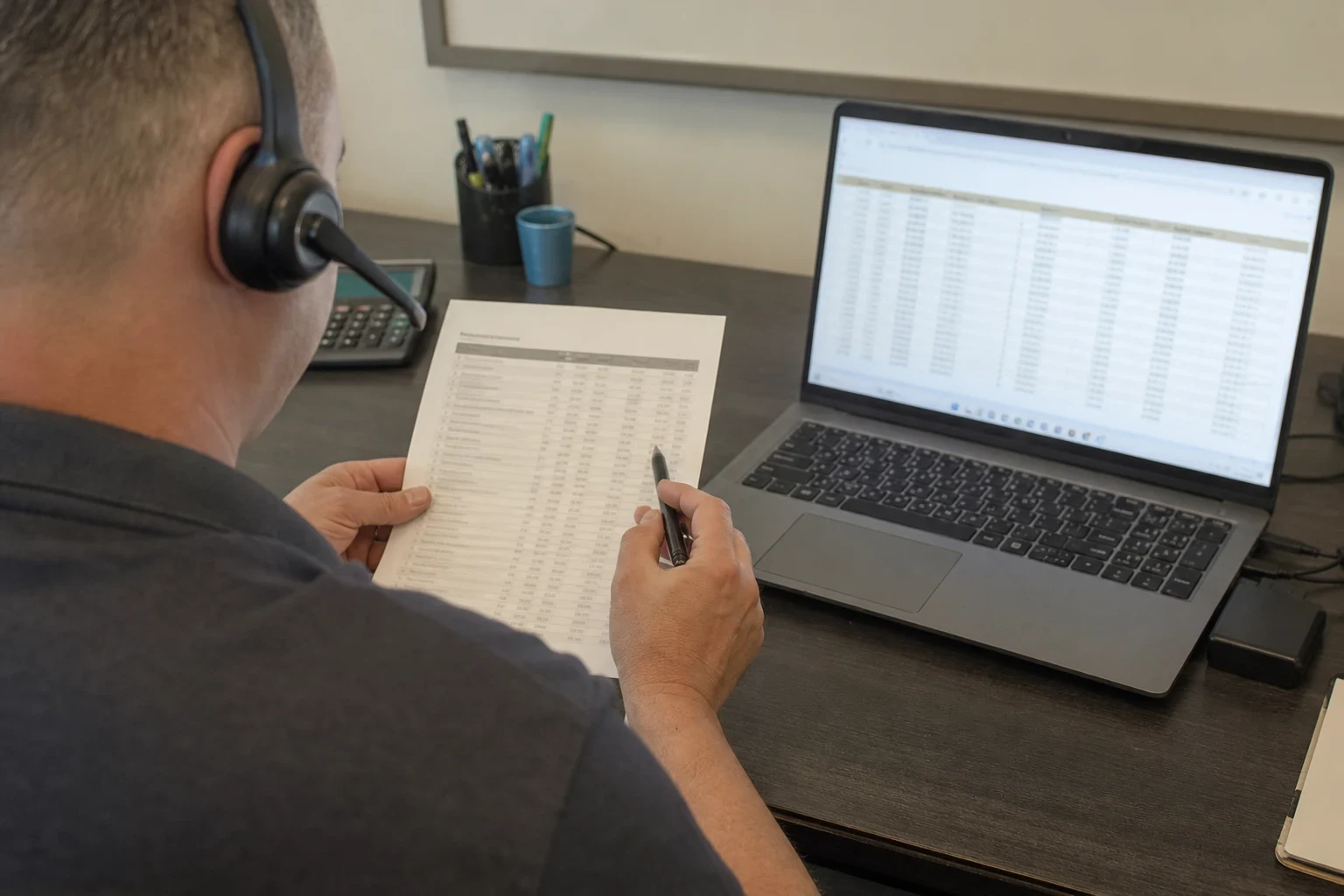
What the exemption application covers
Under the Live Local Act, owners of qualifying multifamily properties in Florida can lower property taxes on units rented to residents at set income levels. The savings can be substantial, but only when the paperwork is correct and filed on time.
Two offices take part. The Florida Housing Finance Corporation certifies that your units qualify. The county property appraiser then decides the exemption, claimed on Form DR-504AFH. A missing piece or a late step at either office can cost a whole tax year.
Our team is small by choice. Whoever reads your rent roll the first day also files with the county and answers the appraiser's follow-up questions. We have prepared filings for about 100 Florida properties.
What we do on your application
Eligibility review
We review your unit count, which units are held for which income levels, and how current rents compare with the published limits. The answer comes back as yes, no or not yet, with the reasons spelled out.
Unit-by-unit savings estimate
The law sorts qualifying units into two income bands: up to 80 percent of area median income, and above 80 up to 120 percent. The bands are treated differently. We figure the savings for each band separately, so you know where the money comes from before you commit to anything.
State certification request
We build the certification request for the Florida Housing Finance Corporation, send it to the state and follow its progress. The FHFC Certification Filing page explains that step in more depth.
County exemption filing
With certification in hand, we complete Form DR-504AFH and deliver it to the property appraiser ahead of the deadline. Our County DR-504AFH Filing page says more about that step.
Follow-up and a clean file
When the appraiser wants more, we reply. You also receive an orderly copy of every filing, so next year's renewal builds on a solid record rather than starting over.
When the exemption deserves a closer look
Rents are close to the income caps
Plenty of owners qualify, or nearly do, without knowing it. When a big share of your units already rent at or below the income-based limits, money may be going unclaimed.
Your tax bill jumped after reassessment
Rising assessed values hit multifamily owners hard. The exemption is one of the few tools that takes a bite out of the bill on the units that qualify.
You heard about it but never filed
A lender, an asset manager or another owner mentioned it, and it stayed on the to-do list. That is common. A short call will tell you whether it is worth the effort.
A past filing was denied or stalled
Missing documents, a late certification or a mismatch between the state and county paperwork can sink an application. We look at what went wrong and fix it for the next cycle.
The deadline is getting close
If it is fall or early winter and nothing has been started, now is the time to call. The state step has to finish before the county filing can go in.
How the work goes, step by step
- 1
Eligibility check by phone
You tell us about the property: units, rents and how residents are screened. We tell you whether it looks like a fit and what the savings could be. No cost and no commitment.
- 2
Gathering your documents
We send a short, specific list. Usually that means a current rent roll, the unit mix and resident income records. We can meet at our office or go over it by phone or video.
- 3
State certification
We assemble the certification request, file it with the state and follow it until the certification comes back.
- 4
County filing and answers
We file DR-504AFH with the property appraiser and stay on it until there is a decision. You hear from the same person the whole way through.
What affects the fee
The fee follows the amount of work your file needs, not a set formula. The savings estimate comes first, so you can compare the fee with what the exemption is worth. You hear the fee before we begin.
- Size of the property
- Extra units and buildings add records to review and lines to complete on each filing.
- State of your records
- An up-to-date rent roll and full income files move fast. Gaps or old records take longer to straighten out.
- How close to the deadline
- An early start leaves room for questions. Starting late squeezes the same work into fewer weeks.
- First filing or a fix
- A first application is simple. Sorting out an earlier denial or records that don't match between state and county takes longer.
Questions about exemption applications
Something not covered here? (561) 786-7157
What makes a property eligible?
We review your total units, how many are rented to residents inside the income limits, and whether those rents stay below the caps. A free eligibility check by phone covers it. We ask a handful of questions and give you a clear answer.
When is the deadline?
The county filing goes to the property appraiser by March 1 for the tax year. The state certification must be done first, so we prefer a fall start. If that has passed, call anyway and we'll tell you what can still be done.
Do residents' incomes have to be verified?
Yes. The exemption rests on units rented to residents within the income limits, and your records have to show it. If your files need work, our Resident Income Verification service takes care of it.
Do I have to file again next year?
Yes. The county wants a new application each tax year, and the rent and income records behind it must stay current. After year one, our Annual Recertification service takes over so the renewal is done before the deadline.
Will different people handle my file along the way?
No. One person from our small team stays on your property from the first call until the county decides. Call with a question partway through and you reach someone who already knows your file.

Find out what the exemption is worth
A short call is enough to tell whether your property qualifies and roughly what it could save. We work from our office, or by phone and video.